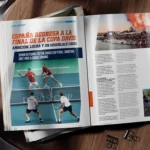
Marbella witnesses Spain’s historic Davis Cup comeback
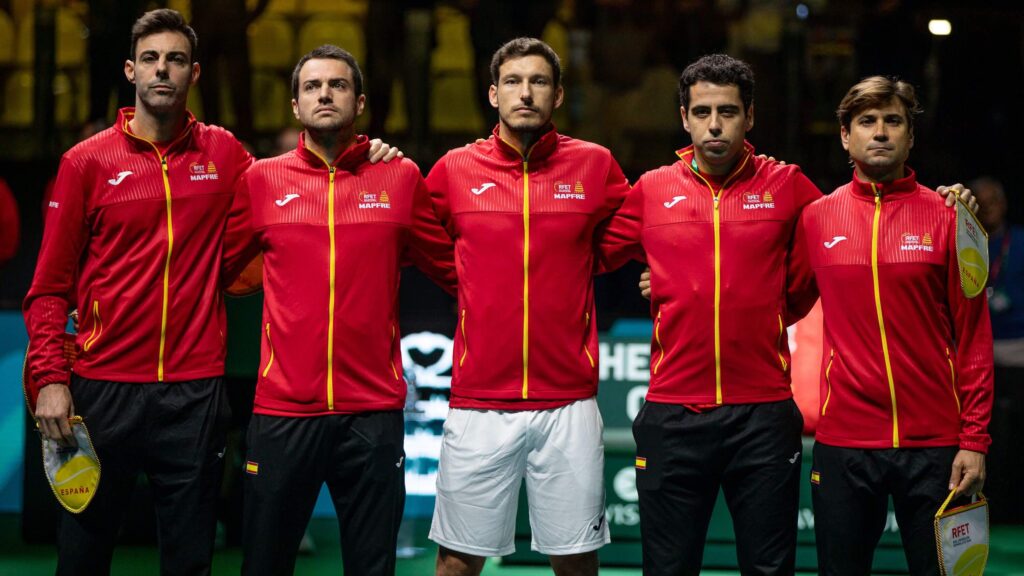
The Davis Cup once again proved why it remains one of sport’s most thrilling competitions — and this time it did so in Marbella, which on 13 and 14 September became the international capital of tennis. The Puente Romano Tennis Club, with its unique atmosphere and intimate connection with the crowd, was the stage where one of the most memorable chapters of recent Spanish tennis history was written: the epic comeback against Denmark that secured David Ferrer’s team a place in the Final 8 in Bologna.
A DIFFICULT START
Friday opened with a superb atmosphere. The stands at Puente Romano, packed with Spanish and Danish flags, welcomed more than 2,500 spectators who lived every point intensely. However, the initial excitement quickly turned into concern. In the first match, Pablo Carreño Busta — still trying to regain his top form after a long injury — couldn’t overcome the talent and consistency of Holger Rune, who imposed his authority with a 7–5, 6–3 win.
The situation worsened in the second match, where Jaume Munar, one of the circuit’s most combative players, was stunned by Elmer Møller. The Spaniard started strong, taking the first set 6–2, but the Dane reacted bravely, capitalising on Munar’s errors and increasing pressure. With a 6–1, 6–4 comeback, Møller silenced the crowd and put Spain 0–2 on the scoreboard. Spain was on the brink of elimination.

THE DOUBLES RESURRECTION
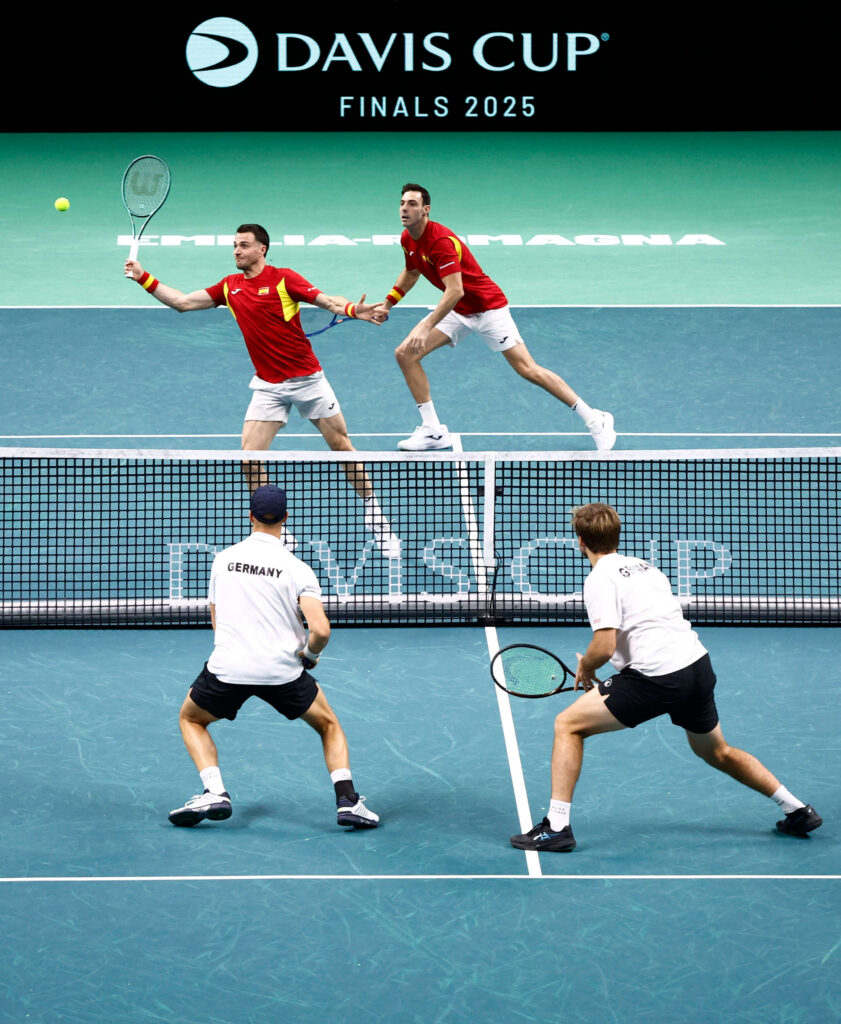
Saturday dawned under a cloud of uncertainty. The equation was simple: Spain needed to win all three remaining matches to pull off a comeback. The first was the doubles, where Munar and Pedro Martínez faced Holmgren and Ingildsen. The start was not promising: the Danes dominated with a 6–1 opening set that sparked the worst fears. However, the Spanish duo reacted with grit and perfect chemistry, taking the next two sets 6–3 and 6–2. The victory was more than just a point — it was an emotional spark that revived the faith of both the team and the fans.
PEDRO MARTÍNEZ VS. RUNE: THE MATCH OF HIS LIFE
The fourth match pitted Pedro Martínez against Holger Rune, the clear favourite. Few could have predicted what was about to happen. The fearless and determined Rune took the first set with a stunning 6–1. The Dane responded in the second, winning 6–4 and levelling the match. The third set was pure tension. Rune led 5–3 and even held a match point, but Martínez displayed extraordinary composure, saving it and forcing a dramatic tiebreak. There, the Spaniard played with total conviction and sealed it 7–3, unleashing an eruption of joy in Puente Romano. Spain had tied the tie 2–2, and the comeback was now within reach.
CARREÑO SEALS THE STORY
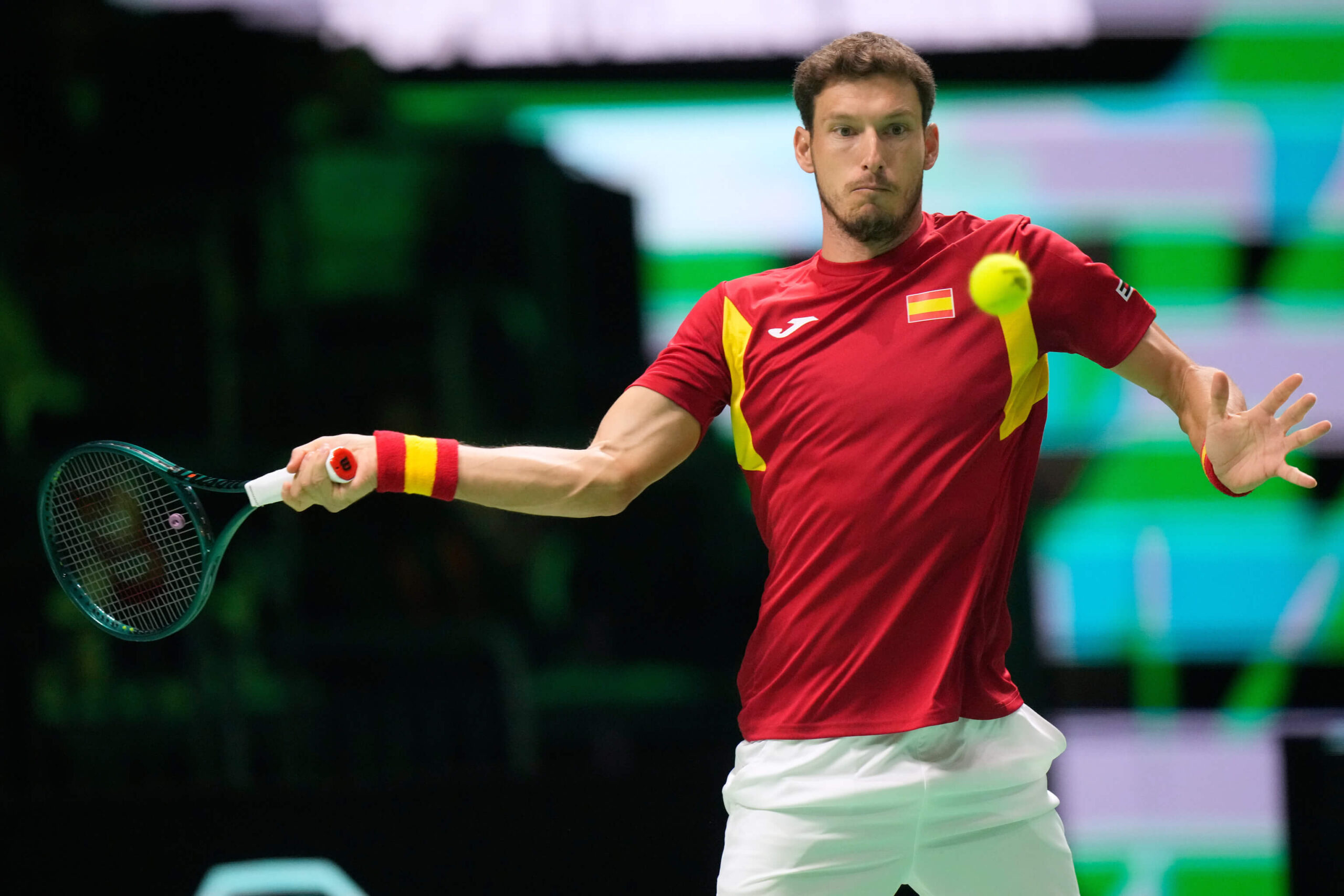
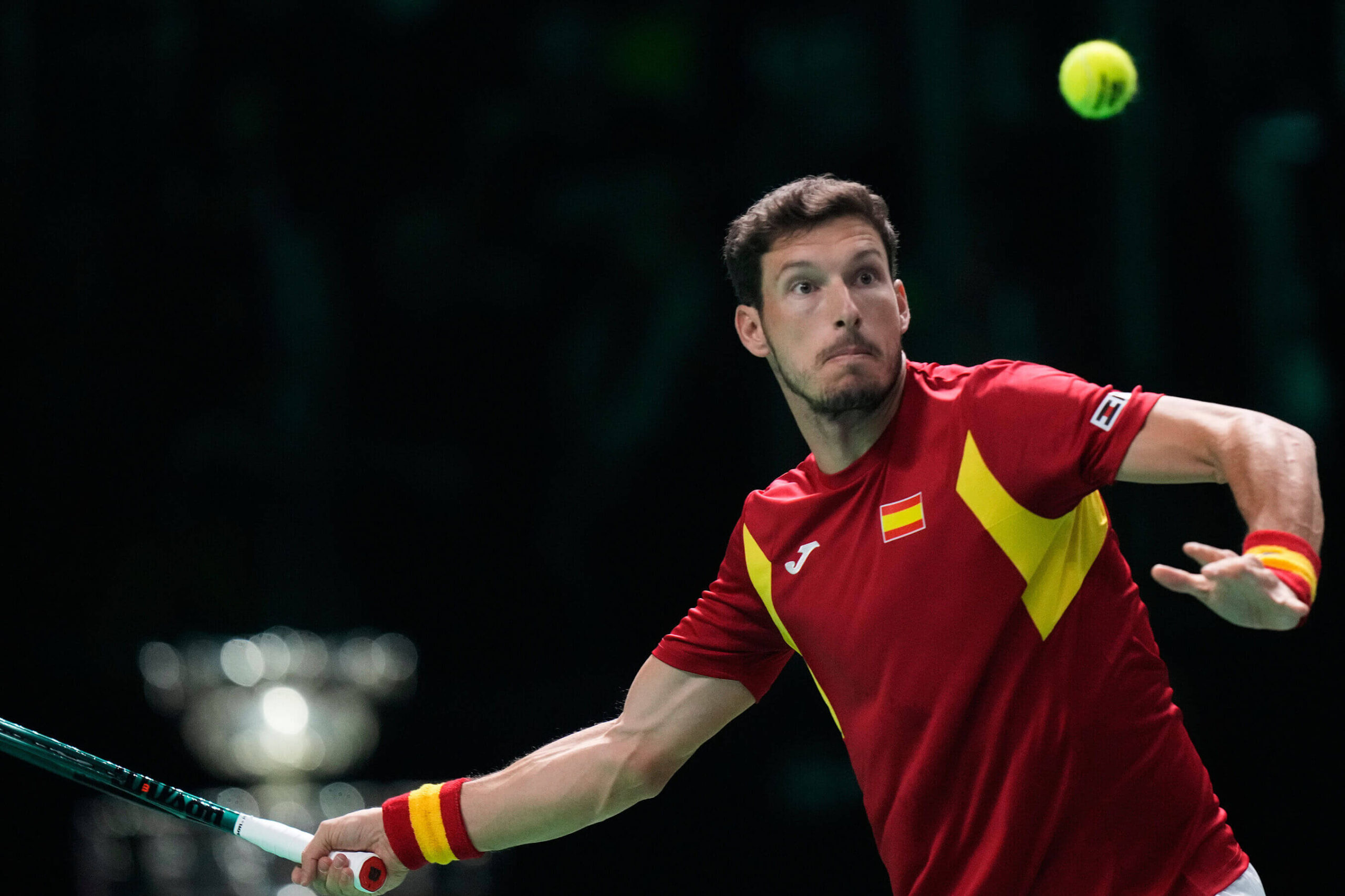
Everything came down to Pablo Carreño — a seasoned competitor with Olympic pedigree — who stepped onto the court with maximum pressure and the responsibility of closing the tie. Without giving Møller a single opportunity, he delivered a solid 6–2, 6–3 win that completed the comeback. Spain had achieved the impossible: winning a Davis Cup tie after trailing 0–2, something it had never done before.
MORE THAN A VICTORY
The triumph in Marbella goes beyond sport. The tie showcased the very essence of the Davis Cup: emotion, teamwork and an unbreakable fighting spirit. Players like Pedro Martínez and Carreño became unexpected heroes, backed by fans who never stopped believing and turned Puente Romano into a cauldron. For the city, it also meant global visibility, strengthening its image as a home for major sporting events.