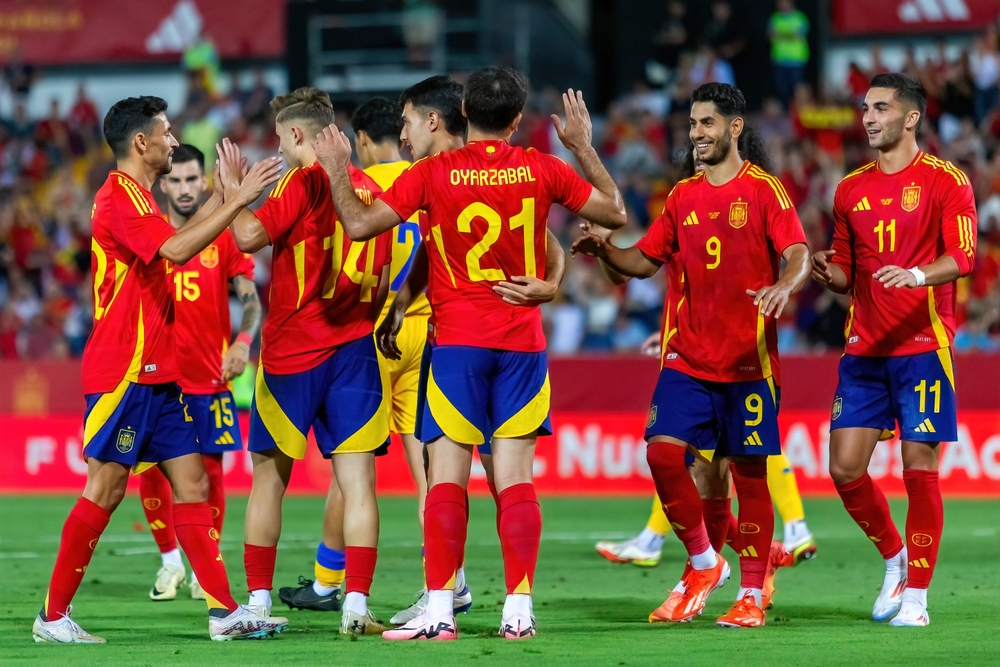
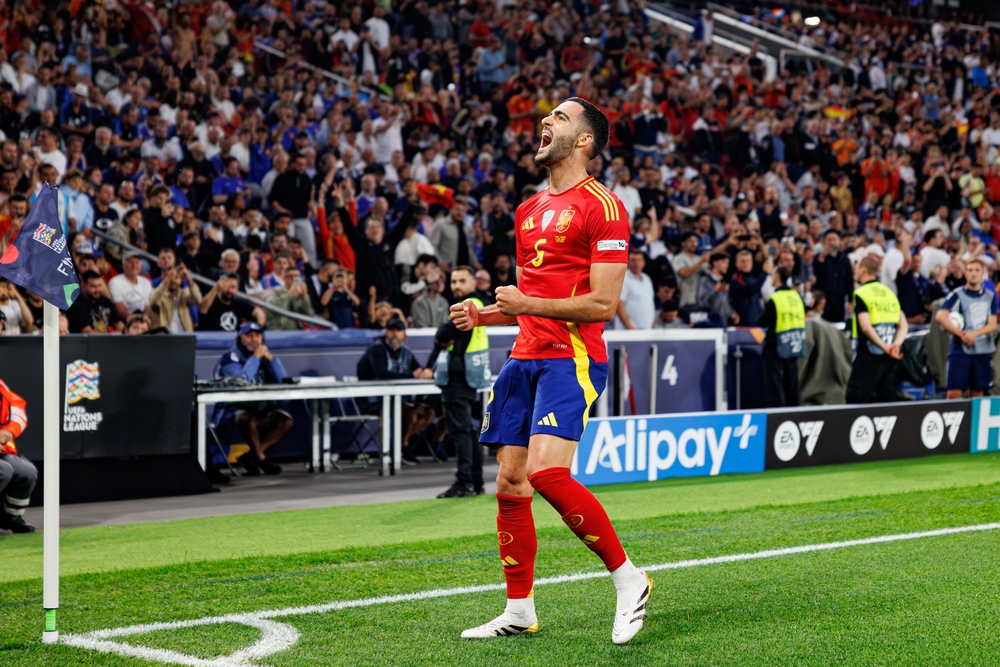
Sixteen years after the memorable triumph in Johannesburg, Spain has once again claimed the most coveted trophy in world football. In the FIFA 2026 World Cup final, played at the stadium in East Rutherford near New York, Luis de la Fuente’s side defeated Argentina 1-0 after extra time, winning the second world championship title in the nation’s history. The hero of the evening was Ferran Torres, whose goal in the 106th minute decided the fate of the final.
A Final Worthy of Champions
From the first whistle, the match had everything you could expect from a World Cup final — enormous tension, tactical discipline, and a battle for every metre of the pitch. It was Spain, however, who dictated the terms for most of the game.
La Roja consistently kept possession, created chance after chance, and forced Emiliano Martínez into a series of superb saves. Argentina, defending the title won in Qatar in 2022, held off their opponents’ attacks effectively for a long time, relying on occasional counter-attacking opportunities.
The key moment came before extra time even began. In stoppage time, Enzo Fernández was shown a second yellow card, and Argentina had to finish the match with ten men. The numerical advantage allowed the Spaniards to press their rivals even harder.
In the 106th minute, Pedro Porro delivered a cross to the far post, Nico Williams headed the ball down, and Ferran Torres struck without hesitation, firing it under the crossbar. A goal that has gone down in the history of Spanish football.
A historic tournament
The victory in the final means far more than just a second star on the shirt.
Spain became the first national team in history to win the World Cup while conceding just one goal throughout the entire tournament. It is a new World Cup record and proof of the remarkable balance between attack and defence in Luis de la Fuente’s side.
It is also the crowning achievement of an impressive era in Spanish football. After winning the UEFA Nations League in 2023 and the European Championship in 2024, La Roja has now added the most important trophy of all, completing an extraordinary run of success. Luis de la Fuente himself has led the national team to a third major title in just three years.
The generation that conquered the world
Today’s Spain is different from the legendary team of the Xavi, Iniesta and Casillas era. It still builds its game on technique and patience, but it is far more dynamic, direct and versatile.
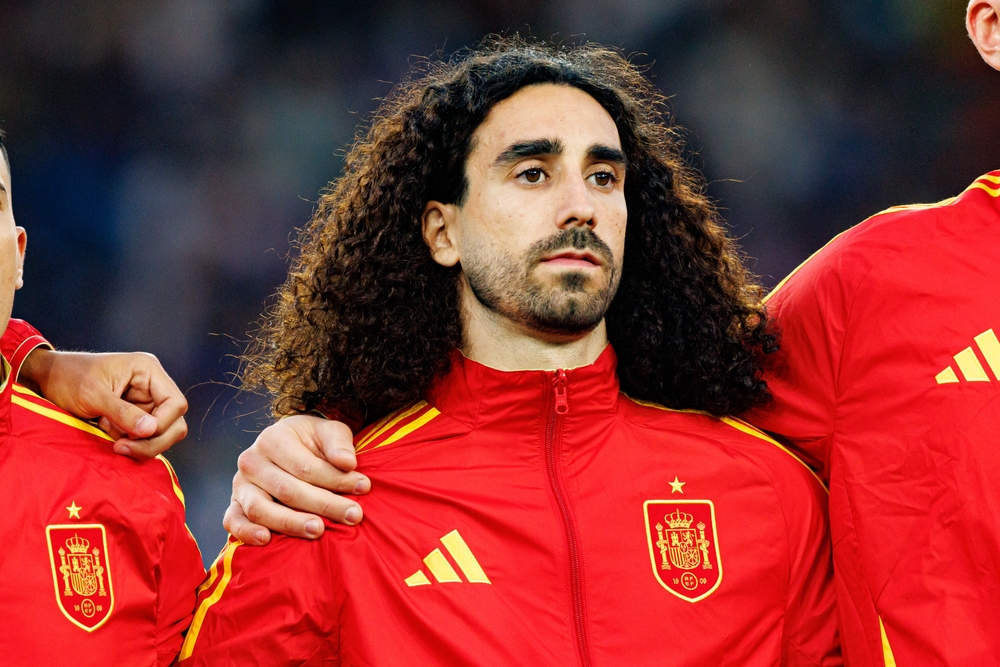
Lamine Yamal, Nico Williams, Pedri, Rodri, Pau Cubarsí and Ferran Torres have created a team that impresses not only with individual skill but above all with its collective spirit. After the final, coach Luis de la Fuente emphasised that his team’s greatest strength is its unity and every player’s willingness to work for the side.
Spain lives and breathes football again
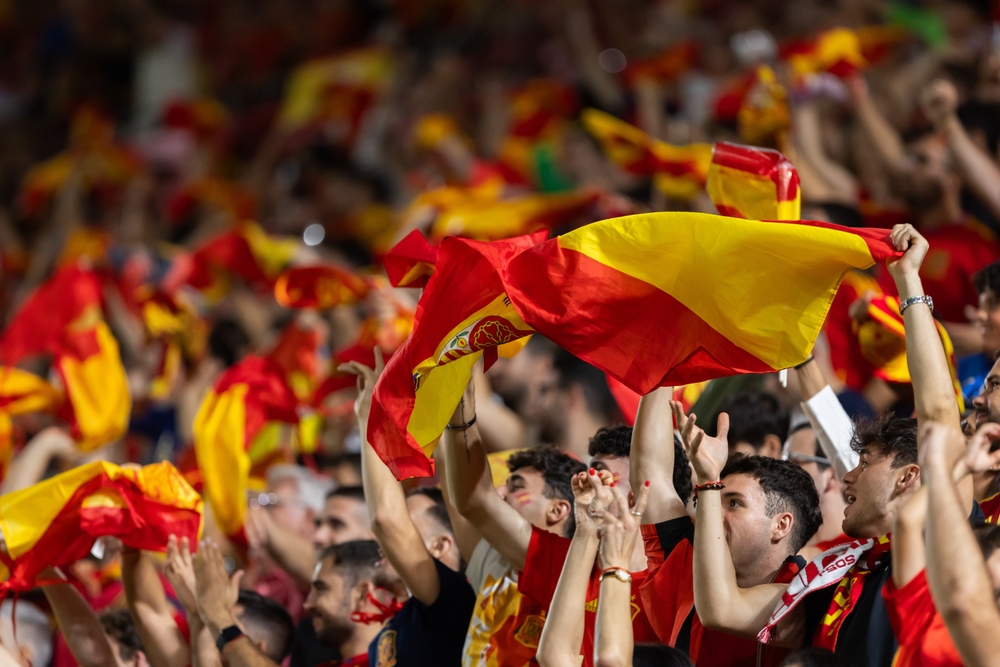
On the streets of Madrid, Barcelona, Seville, Valencia and hundreds of smaller towns, the celebrations began the moment the final whistle blew. The Spanish media are unanimous in describing the national team’s success as an event uniting the entire country and a symbol of a modern, diverse Spain.
For the residents of the Costa del Sol, this triumph also carries a special significance. The region has lived and breathed sport for years — from football, through padel and golf, to sailing and cycling. It is in moments like these that you can see how sport can bring local communities together and create an atmosphere that simply cannot be replicated.
After sixteen years of waiting, a second star lands on La Roja’s shirt. And the story of this national team proves one thing — Spain did not return to the top of the world by accident. It built the road that led it there once again.