Carlos Alcaraz: I always dreamed of being world no.1

E

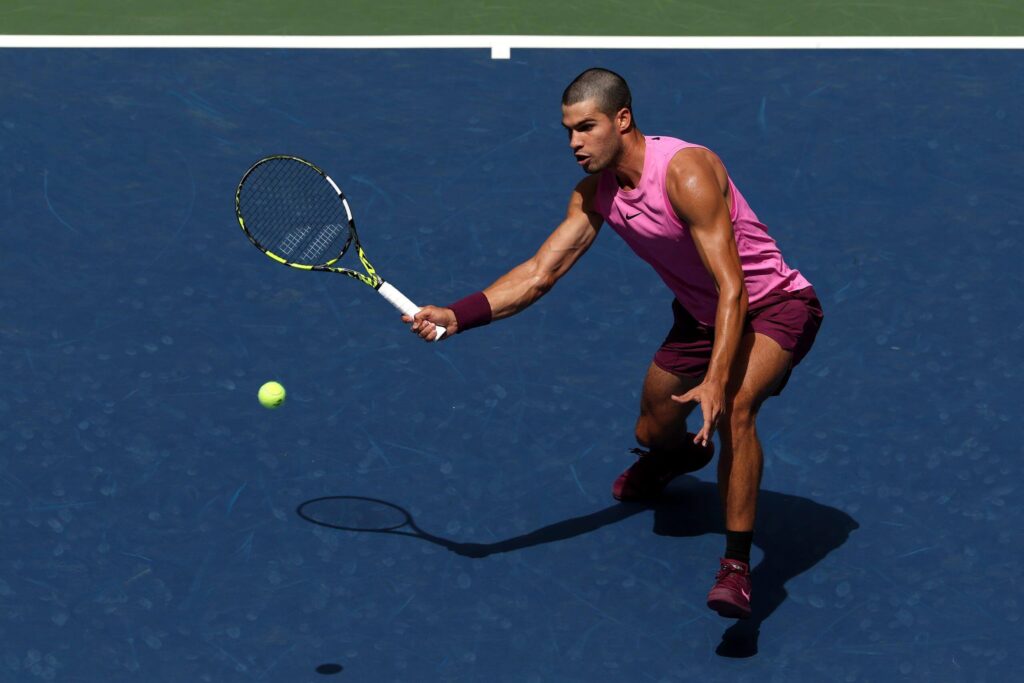
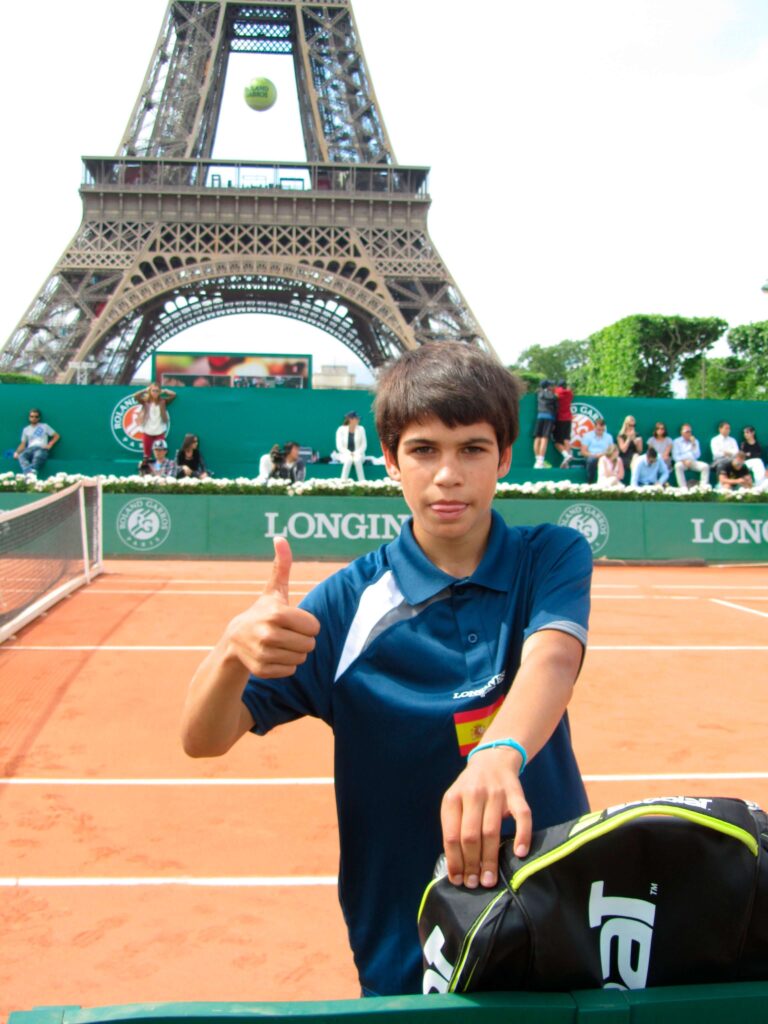
EXCLUSIVE INTERVIEW Carlos Alcaraz didn’t arrive to fill a space: he arrived to open a new era. From Murcia, with a racket that seemed too big for his age and an even bigger ambition, he took steady steps until becoming the natural heir to an unforgettable generation. Not because he asked for it, but because tennis — and time — pointed in his direction.

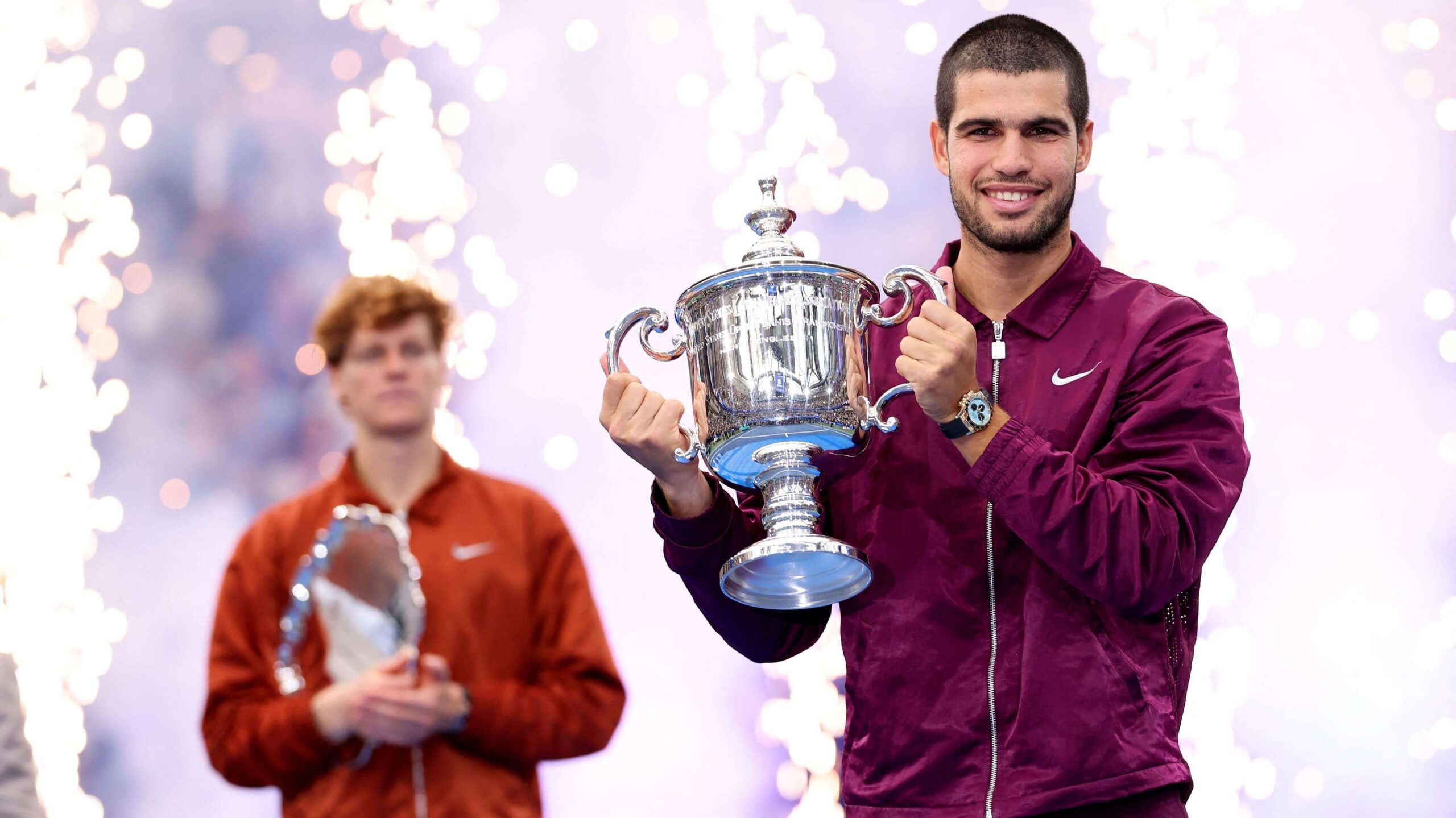
At just 21, he has already shown that his name is not a promise, but a consolidated reality. World No. 1, champion on the biggest stages and the leading figure in a rivalry that is shaping a new era, Alcaraz represents a way of understanding sport in which talent is never separated from hard work, nor success from the hunger to keep learning.

Behind the explosive player, the fierce competitor and the global idol, there is still the young man who enjoys training, who speaks naturally, who puts the spotlight into perspective and who keeps his feet on the ground with a maturity well beyond his years. We talk with him about tennis, pressure, expectations, and about what you gain — and what you give up — when life moves so fast. This is a conversation with Carlos Alcaraz at the exact moment when he stops being the future and definitively becomes the present.

– Over all these years, what do you think you’ve gained as a person, not just as an athlete?

– I’ve learned how to suffer in bad moments, which always come, and to be more patient with myself. I’ve also learned to make decisions more calmly and not be guided only by emotion. Sport teaches you a lot about life, and I think today I’m more mature and more aware of how important it is to keep a balance between your professional and personal life.

– From the outside, your schedule seems crazy. How do you organize such a long and demanding season?

– Nothing is left to chance. Everything is planned well in advance with my team: travel, training, tournaments, rest periods and also commitments off the court. The year is very long and if you don’t manage the workload properly, you end up paying for it. For me it’s crucial to know when to push and when to stop, because that’s the only way to arrive fresh at the most important moments of the season.

– With that level of demand, is the fear of injuries always there?

– Yes, it’s part of the life of any high-level athlete. Your body is under a lot of pressure, not only in matches but also in training and travel. There are small issues you have to learn to manage, because if you don’t, they can keep you out of competition for weeks. It’s something you live with, but you try to take as much care of yourself as possible to reduce the risks.

– When you look back and see where you are now, are you satisfied with the path you’ve taken?

– Honestly, yes. If I make an honest assessment, I think the effort has been worth it. Not only because of what I’ve achieved, but also because it can serve as an example for many young kids who start playing tennis dreaming of going far. If my story can motivate others, that’s also a great reward.

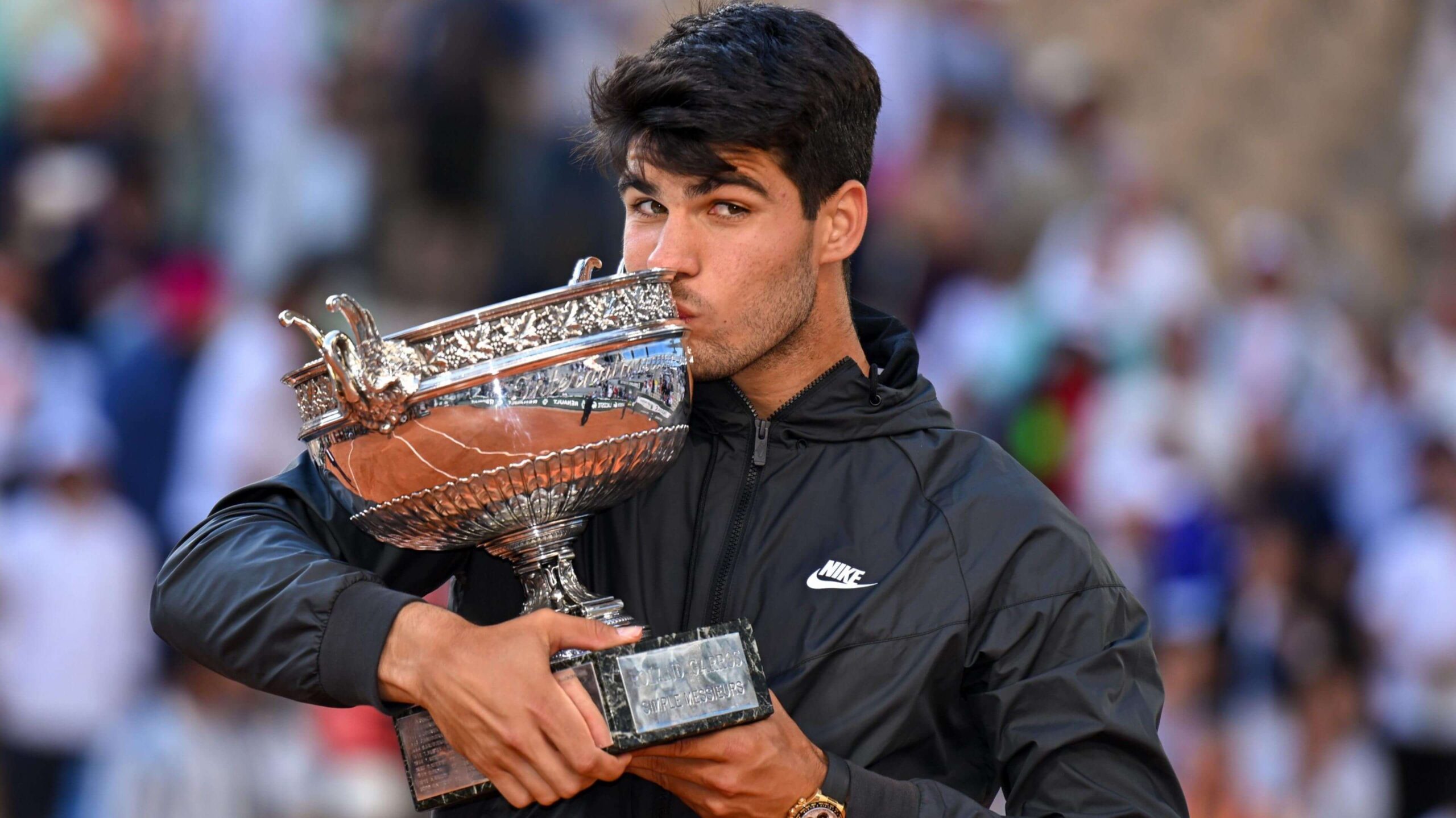
– You’ve closed an important chapter with Juan Carlos Ferrero. How do you explain that coaching change for 2026?

– It was a very well thought-out decision. Stages in sport, like in life, have a beginning and an end, and we felt this was the right moment. I will always be grateful to Juan Carlos because thanks to him I am the player I am today. Professionally we’ve decided to go separate ways, but on a personal level we still have a great relationship and a lot of respect.

– From a sporting point of view, what dreams do you have right now?

– I’m very ambitious, I don’t hide that. I’d love to complete the Career Grand Slam, which is something every tennis player dreams of. And if I really let myself dream big, it would also be incredible to win three Grand Slams in the same season. I know it’s very difficult, but I work every day with that goal in mind.

– You often talk about your family and even have your brother in your team. What does that mean to you?

– For me it’s fundamental. My family has been with me from day one, and having my brother on the team gives me a special sense of calm. He understands tennis because he used to be a player, and that helps a lot when it comes to analyzing details or making decisions. When he’s not around, you really feel it.

– Your smile on court has almost become a trademark. Do you really enjoy it that much or is there also a lot of tension inside?

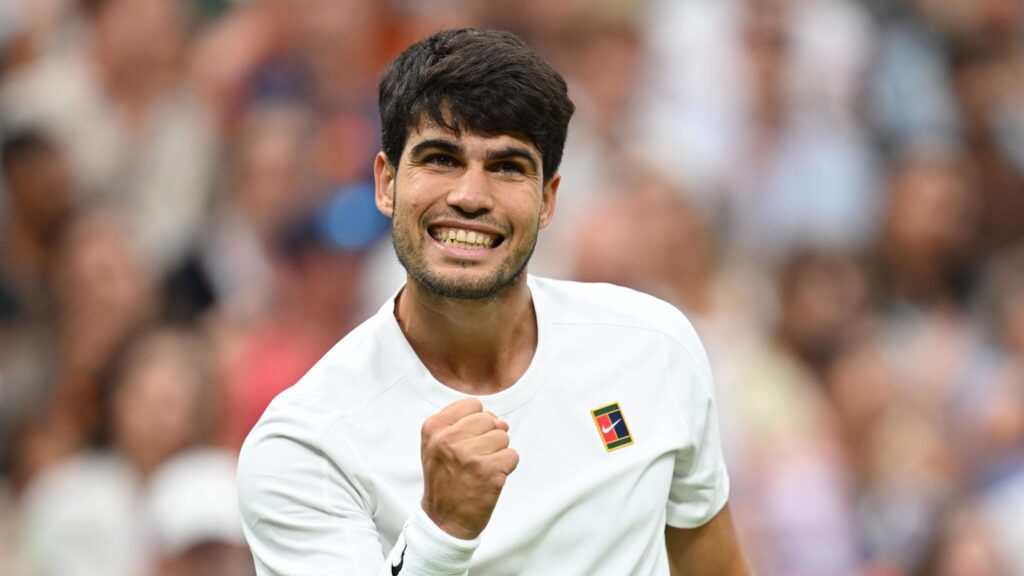
– There’s a bit of everything, of course. The tension is there because you always want to win, but I try never to lose the sense of enjoyment. For me tennis is not just a job, it’s something I’ve loved since I was a kid. When I’m on court, I try to remember why I started playing, and I think that shows in my attitude.

– You travel all over the world, but you always talk about Murcia. What does your home mean to you?

– It’s everything. I was born there, I started playing tennis there with my father, and that’s where my roots are. In El Palmar everything began: the training sessions, the dreams and the first competitions. No matter how much I travel and how many amazing places I get to know, my home will always be my home and something I carry deep inside.

– With so much success, is it hard not to start believing you’re more than you really are?

– That’s a real danger, but I always try to keep my feet on the ground. I know tennis depends a lot on results and that today you can be on top and tomorrow you might not. That’s why I try not to change and to keep working the same way I did when I wasn’t winning. My goal is still to improve every day.

– Now you’re a global figure. How do you handle fame and media exposure?

– It’s not easy. More and more people are watching what you do and what you say, and you have to learn to measure your words and your gestures. It has good things, but also a lot of responsibility. I’m learning little by little how to live with it.

– You’re constantly compared to Rafa Nadal. Does that comparison weigh on you?

– It’s normal for people to compare because we’re in the same sport and he has been the reference point during many years. For me it’s an honor to be compared to someone like Rafa, but I always say we’re different. He’s a legend, and I’m still building my own path.

– Can you imagine one day getting tired of tennis and quitting it all?

– Right now, no. I still love what I do. The day tennis no longer motivates or excites me like it does now, I’ll be the first to realize that it’s time to stop. That’s a natural part of any athlete’s career.

– We often see you in Ibiza on holiday, but what do you think of Marbella and the Costa del Sol?

– I love the whole area, and I love to play in Marbella. The Costa del Sol is perfect for resting, switching off and also for enjoying yourself. It has great weather, great food and an amazing atmosphere. It’s one of those places you always feel like coming back to.

– It was a shame not to see you in Puente Romano in the Davis Cup tie against Denmark. How did you make that decision?

– It wasn’t easy. I had given my OK to the Federation, but after the US Open and a tough month, with muscular problems and a lot of fatigue, I thought the honest thing to do for the team was to be realistic. I wasn’t going to be at my best level and, luckily, the team got through the tie.

– There’s always talk about the health of Spanish tennis. How do you see the current situation?

– I see it as very good. There are many young players with talent, with a present and a future. It’s not just about one name. There’s a very solid base and that’s positive for tennis and for the fans.

– When you stop, how do you mentally disconnect?

– I like being with my friends, playing video games, listening to music and doing normal things. You can’t live thinking only about tennis, or you’d end up burnt out.

– And when it’s not tennis, it’s golf. What hooks you about that sport?

– It gives me a lot of calm. It’s a very different, quieter sport that forces you to think and be patient. It also helps me release tension and disconnect from the pressure of competition.